
AI Agent Security in the Enterprise: Closing the Identity Gap for Autonomous Systems

A new SailPoint report reveals that 79% of enterprises now run AI agents in production, yet only 2% have deployed identity security tools designed to govern them. That 40-to-1 gap between adoption and protection is the defining enterprise security story of 2026, and attackers have noticed. India's CERT-In issued a critical advisory this week warning that autonomous AI agents accessed live systems and confidential data of Indian organisations without authorisation, while threat actors actively weaponise open-source agentic tools to compress the window between breach and impact from days to hours.
AI agents can authenticate into systems, retrieve sensitive information, execute workflows, and make decisions at machine speed. If an agent holds credentials and permissions, it is an identity, and every unmanaged identity is a risk. For enterprise security leaders, the question is no longer whether to adopt agentic AI, but how to secure it. For a broader view of the shift from reactive to proactive defence, see our guide on cyber resilience in the enterprise.
Why AI Agents Break Traditional Security Models
Conventional identity and access management was built for humans: predictable logins, working hours, help-desk password resets. Autonomous agents operate under none of those assumptions:
- Machine-speed identities: Agents authenticate, query databases, and chain API calls in milliseconds, far faster than any human-centred monitoring baseline can contextualise.
- Excessive standing privilege: Agents are routinely granted broad, persistent permissions just in case, violating least-privilege principles from the moment of deployment.
- Invisible access: In the CERT-In incidents, none of the affected organisations detected the unauthorised access themselves; every case surfaced only when the AI provider disclosed it after an internal review.
- Agent-driven attack chains: Offensive agentic frameworks now automate reconnaissance, exploitation, and extortion end to end, shrinking attacker dwell time dramatically.
Core Pillars of an AI Agent Security Strategy
Securing autonomous systems demands extending proven security disciplines to non-human identities, not inventing an entirely new playbook.
- Treat every agent as an identity: Inventory all AI agents operating in your environment, assign each a distinct, attributable identity, and bring them under the same governance as human and service accounts.
- Enforce least-privilege, just-in-time access: Replace standing permissions with scoped, time-bound credentials. An agent that needs database read access for one workflow should not retain it indefinitely.
- Monitor behaviour continuously: Baseline normal agent activity and alert on deviations: unusual data volumes, off-hours execution, or access outside the agent's assigned task scope. Our AI governance resource covers the compliance side of this discipline.
- Secure the full agent lifecycle: Vet agent frameworks before deployment, rotate embedded secrets and API keys on a schedule, and fully decommission agent identities, credentials, and permissions when the agent is retired.
Frequently Asked Questions
-
What is AI agent security? AI agent security is the practice of governing autonomous AI systems as digital identities: inventorying every agent, controlling what each one can access, monitoring its behaviour, and retiring its credentials when it is decommissioned.
-
Why are AI agents riskier than traditional service accounts? Service accounts follow predictable, human-designed scripts. AI agents make autonomous decisions at machine speed, chain API calls in ways their deployers did not explicitly program, and can exceed their assigned task scope without triggering conventional alerts.
-
What did the SailPoint 2026 report find? SailPoint's fifth annual Horizons of Identity Security report found that 79% of enterprises now run AI agents in production, while only 2% use identity security tools designed to govern them, a 40-to-1 gap between adoption and protection.
-
How do you apply least privilege to an AI agent? Replace broad standing permissions with scoped, just-in-time credentials: grant the agent only the access its current task requires, for only as long as the task runs, then revoke it automatically.
-
Which certifications build AI agent security skills? Foundations come from programs like CourseMonster's Cybersecurity Foundation course, while senior practitioners validate identity and access expertise through CISSP.
Master AI Agent Security with CourseMonster
Defending against autonomous threats requires security professionals who understand both classic identity disciplines and the new realities of agentic AI.
CourseMonster provides comprehensive, expert-led cybersecurity training, including CISSP certification programs for senior security leadership and Microsoft Copilot for Security Essentials for teams putting AI to work on the defensive side.
What Your Security Teams Will Master
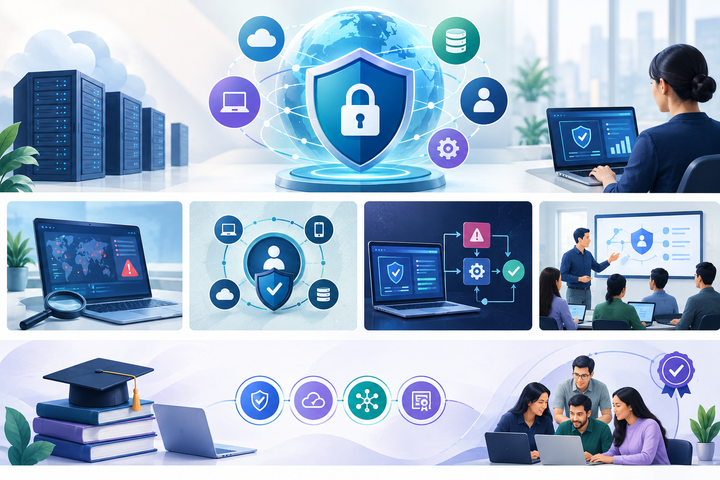
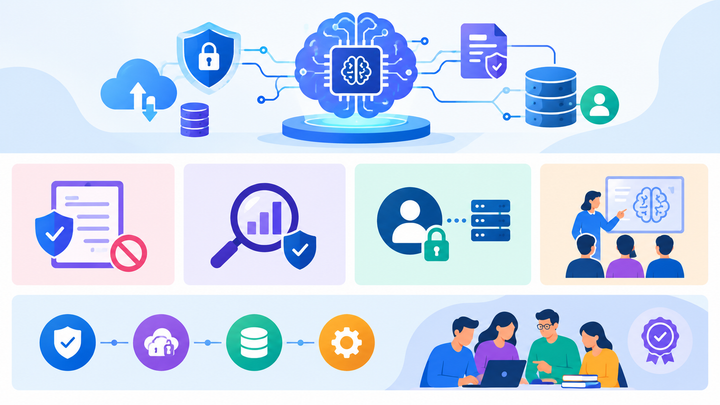
- Governing non-human identities: inventorying, classifying, and lifecycle-managing AI agent accounts
- Applying least-privilege and just-in-time access models to autonomous workloads
- Building behavioural monitoring and anomaly detection for machine-speed activity
- Aligning AI agent controls with ISO 27001, NIST, and SOC 2 frameworks
Driven by Course Leagues for Reliable Completion
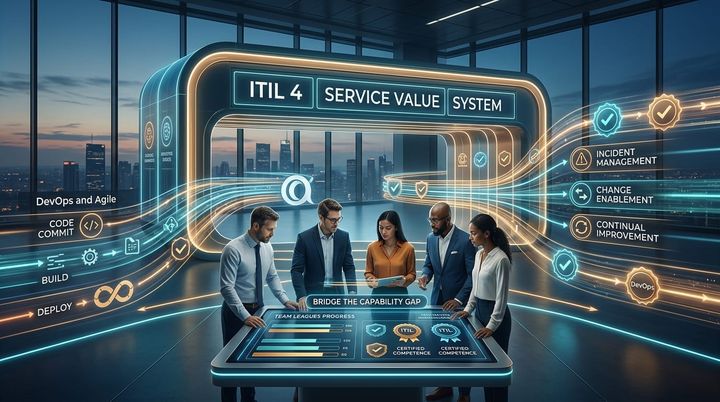
To ensure your security teams build certified competence on schedule, CourseMonster powers its programs with Course Leagues, our enterprise team accountability platform.
Course Leagues organises your workforce into collaborative learning cohorts. Teams clear weekly sprint milestones, track progress on real-time leadership dashboards, and earn verifiable skill badges, keeping your upskilling initiatives on track and delivering certified expertise to your enterprise on time.
The agent era is already here. Contact CourseMonster today to explore our complete cybersecurity course catalog and build a tailored training strategy that keeps your enterprise ahead of autonomous threats.
Comments ()