
The Sovereign Shield: Why the ISO 27001 Lead Implementer is Your Ultimate Security Playbook
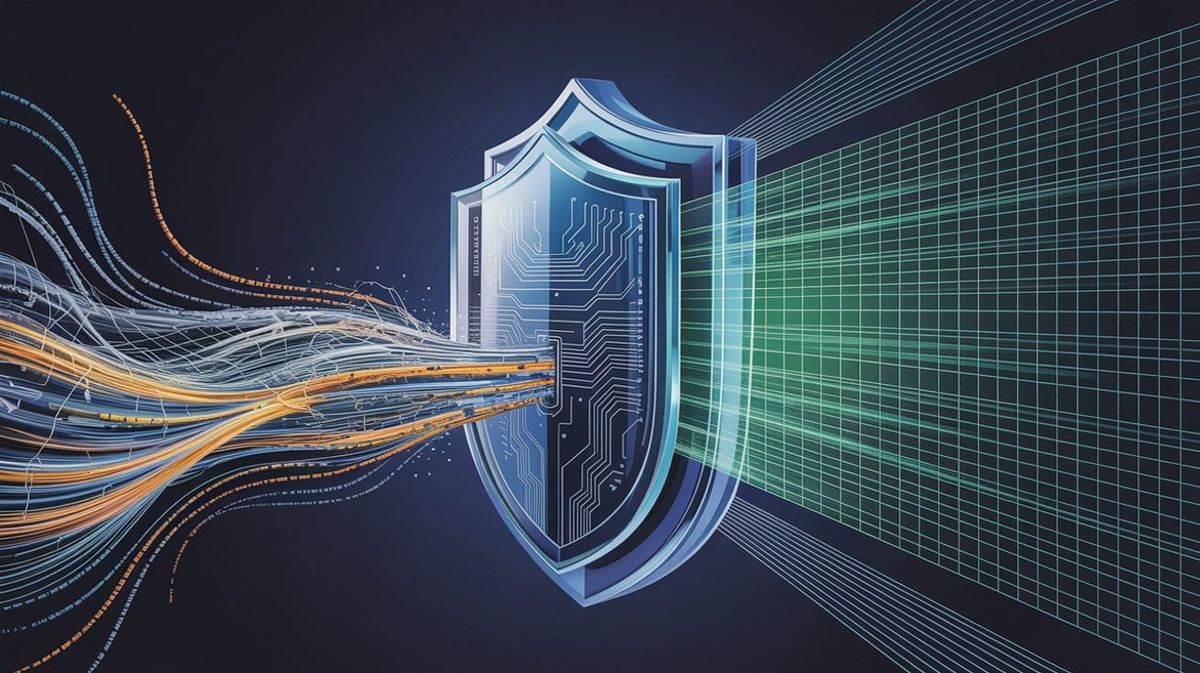
Let's do a hard reality check. In 2026, cybersecurity is no longer an IT issue handled by backroom technicians. It is a boardroom battlefield. With the rise of state-sponsored cyber threats, decentralized remote teams, and automated attack vectors, simply deploying an antivirus or firewall is like bringing a paper shield to a missile fight.
Organizations are realizing that data breaches do not just cause downtime—they collapse client trust, trigger catastrophic regulatory penalties, and completely destroy market equity.
If you want to secure an enterprise environment, you cannot rely on patchwork defenses. You need a sovereign shield built on globally recognized governance. That shield is formed by mastering the tactical deployment of the ISO/IEC 27001 Lead Implementer framework.
What is ISO/IEC 27001?
While general IT training focuses on fixing vulnerabilities after they occur, ISO/IEC 27001 focuses on building an organizational culture where risks are calculated, monitored, and proactively neutralized. It is the gold standard for creating a comprehensive Information Security Management System (ISMS).
As a certified Lead Implementer, you do not just understand security concepts—you own the practical deployment blueprint.
The Phased Implementation Blueprint
- Phase 1: Scope and Initiation: You begin by identifying the specific boundaries of your organization's data profile. You establish the core project team, align security objectives with business operations, and define the governance framework.
- Phase 2: Deep Risk Assessment: Instead of guessing where your vulnerabilities lie, you map out a repeatable asset-risk matrix. You evaluate data flow pipelines, user access behavior, and system dependencies to quantify your true threat landscape.
- Phase 3: Operational Control Deployment: This is where the magic happens. You implement real-world security mechanisms mapping directly to the updated Annex A controls—covering everything from physical facility security and technological access rights to remote-work policies and secure coding parameters.
- Phase 4: Internal Audits and Readiness: Before an official third-party certification body arrives, you manage comprehensive internal audits, establish continuous performance metrics, and build an airtight, audit-ready evidence trail.
Core Pillars of the Lead Implementer Training
To successfully deploy an ISMS that survives real-world threats and strict audits, a Lead Implementer must master four critical areas:
1. Mastering the 2022 Standard and Clauses
Understanding the structural core of the standard is essential. This means deep-diving into Clauses 4 through 10, which govern everything from defining organizational context and leadership commitment to continuous performance evaluation and improvement strategies.
2. Developing Repeatable Risk Methodologies
Security cannot be based on guesswork. You will learn how to design a structured risk assessment framework that identifies assets, assigns ownership, evaluates impact, and establishes clear risk treatment plans aligned with organizational risk tolerance.
3. Deploying Annex A Controls
The updated standard condenses controls into four clear domains: Organizational, People, Physical, and Technological. A Lead Implementer knows exactly how to select and deploy these controls—such as threat intelligence, identity management, and data leakage prevention—to close security gaps without choking business operations.
4. Creating an Audit-Ready Culture
A successful implementation concludes with a successful certification audit. You will master how to conduct rigorous internal audits, facilitate management reviews, and organize document control systems so that presenting evidence to external registrars is seamless and stress-free.
The Professional Advantage
For digital strategists, remote managers, and enterprise directors, mastering this framework changes everything. It elevates you from a tactical technical manager to a critical governance architect who protects the company's bottom line from malicious actors, secures high-value enterprise contracts, and shields corporate assets from devastating compliance penalties.
In a digital landscape filled with vulnerabilities, the ISO 27001 Lead Implementer is the ultimate standard for professionals who refuse to leave security to chance
Explore CourseMonster ISO/IEC 27001 Lead Implementer training.
Comments ()